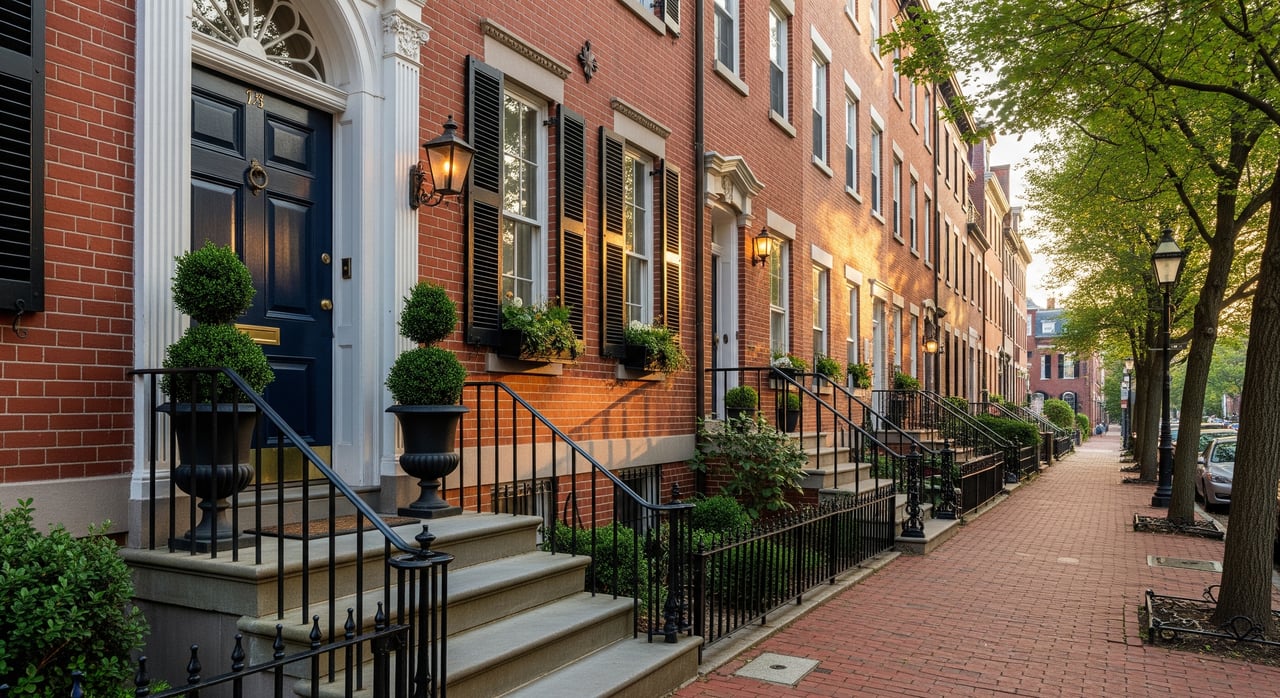
Dreaming of a classic brick rowhouse steps from the Potomac, or a sleek condo near the waterfront? Georgetown’s charm is real, and so are the tradeoffs that come with a historic, high-demand neighborhood. If you want walkable streets, top dining, and a central DC location, this guide will help you weigh budget, commute, renovation rules, and long-term value. You’ll find clear steps, key risks to watch, and credible local resources. Let’s dive in.
Why Georgetown appeals
Georgetown sits along the Potomac in northwest DC and centers on M Street and Wisconsin Avenue. It is compact, highly walkable, and known for shopping, dining, and the Georgetown Waterfront. Explore neighborhood context and events through the Georgetown Business Improvement District.
Georgetown University anchors part of the neighborhood, which brings a student presence and steady rental demand near campus. The mix of historic streets, waterfront access, and central location attracts both owner-occupants and investors.
Housing types you’ll see
- Historic brick rowhouses and townhouses in Federal, Georgian, and Victorian styles. Many date to the 18th or 19th century, are narrow and multistory, and may include original materials.
- Larger single-family or detached homes are less common but present, often tucked behind or above rows of townhomes.
- Condominiums and apartments range from small historic conversions to newer luxury options near the waterfront. Some buildings offer full-service amenities.
- Co-ops and mixed-use buildings exist in smaller numbers than condos and rowhouses.
Pricing and market position
Georgetown is one of DC’s most expensive neighborhoods. Rowhouses and townhomes often market at the high end of the city, and newer or waterfront condos can command premium prices with higher monthly fees. Inventory is tight, which supports higher price points. If you want exact, current numbers for zip code 20007, check up-to-date MLS or reputable market reports before you tour.
Key buying considerations
Historic district rules
Many blocks fall within local or national historic districts. Exterior changes, additions, or demolitions usually require review by the DC Historic Preservation Office and sometimes the Historic Preservation Review Board. Learn about review requirements through the DC Historic Preservation Office.
What this means for you:
- Expect longer permit timelines for exterior work like windows, roofs, or additions.
- Interior changes are generally less regulated, but anything visible from the street is scrutinized.
- Build design costs and permitting time into your renovation budget.
For zoning and planning context, consult the DC Office of Zoning.
Age and inspections
Older homes can hide surprises. Common issues include aging HVAC, electrical and plumbing, possible knob-and-tube wiring in the oldest homes, and lead-based paint in pre-1978 properties. If you have children or plan renovations, review the EPA’s renovation, repair, and painting guidelines for lead safety via the EPA RRP rules.
Recommended inspections:
- General home and systems: roof, electrical, plumbing, HVAC
- Termite and pest
- Radon where applicable
- Hazardous materials testing for lead and asbestos if you plan updates
- Consider a specialist familiar with historic structures
Parking and access
Off-street parking is limited. Many rowhouses have no driveway or garage, and street parking can be scarce. Some homes have alley access to a rear garage, but those are valuable and uncommon. Learn about permit options in Residential Parking Permit zones through the DC DMV.
Transit alternatives are strong. Georgetown does not have a Metro station within the neighborhood, but you can access nearby stations like Foggy Bottom-GWU, Dupont Circle, or Rosslyn. Check bus routes with WMATA and review the neighborhood loop service on the DC Circulator. Walkability and bike paths, including the nearby Capital Crescent Trail, reduce the need for a car for many residents.
Condos, HOAs, and co-ops
Condo and co-op buildings typically charge monthly fees that cover building insurance, maintenance, reserves, and sometimes utilities or concierge services. Luxury and waterfront buildings often have higher fees. Before you buy, request the full condo or co-op document package and review:
- Bylaws, budget, and reserve studies
- Insurance coverage
- Any pending litigation or special assessments
- Investor or rental ratios if you plan to lease
If you are financing, confirm your lender’s approval of the building early in the process.
Flood and waterfront risks
Homes closest to the Potomac and low-lying areas can face elevated flood risk. Lenders may require flood insurance for properties in mapped flood zones. Review your risk and the official maps at the FEMA Flood Map Service Center. Even if a property is not in a mapped zone, consider risk tolerance and maintenance near the waterfront.
Financing and resale
Prices often exceed conventional loan limits, so jumbo or other nonconforming financing may be necessary. Cash is more common at higher price points, and timelines can move quickly. On resale, condition and thoughtful modernization matter. Historic charm supports long-term demand, but unique or very specialized homes can be less liquid.
Taxes and closing costs
Budget for DC property taxes, transfer and recordation taxes, and typical closing costs. You can review property tax information and assessments through the DC Office of Tax and Revenue. Exact percentages and fees change, so confirm details when you get serious about a property.
Schools and daily life
Within Georgetown, there are limited DC Public School campuses. Many households consider private or charter options elsewhere in the city. If schools factor into your decision, verify attendance zones, lottery options, and availability directly with DCPS before making offers.
How to narrow your search
Before you tour
- Get pre-approved, and confirm whether you will need a jumbo loan.
- List your must-haves: parking, renovation flexibility, bedroom count, outdoor space, HOA tolerance.
- Map your commute and lifestyle: walking and biking times, nearest buses and Metro connections.
Due diligence checklist
- General home and systems inspections, plus termite and radon where applicable
- Lead and asbestos testing for pre-1978 homes, especially if you plan renovations
- Flood zone check and elevation details if near the waterfront
- Full review of condo, co-op, or HOA documents
Renovation and permitting
- Speak with the DC Historic Preservation Office early if exterior work is on your wish list.
- Confirm applicable zoning guidelines with the DC Office of Zoning.
- Get estimates from contractors experienced with historic properties and older building systems.
Helpful local resources
- Neighborhood events, dining, and context: Georgetown BID
- Historic review guidance: DC Historic Preservation Office
- Zoning maps and rules: DC Office of Zoning
- Bus and rail planning: WMATA
- Neighborhood bus loop: DC Circulator
- Residential parking permits: DC DMV
- Flood risk maps: FEMA Flood Map Service Center
- Lead safety for pre-1978 homes: EPA RRP rules
- Property tax and assessment info: DC Office of Tax and Revenue
Example tradeoffs to consider
Classic rowhouse on a side street
- Pros: historic character, walkable location, potential for value with tasteful updates
- Watch: limited parking, older systems, exterior changes require historic review
Newer waterfront condo
- Pros: modern systems, amenities, assigned parking more likely
- Watch: higher monthly HOA fees, potential flood risk depending on location, project-specific lender approval
Ready to explore homes in Georgetown?
If Georgetown checks the right boxes for your lifestyle, line up your financing, confirm your must-haves, and get familiar with the historic and waterfront considerations. When you want a smooth plan, referrals, and coordinated support, reach out to Keneathia Glenn. You will get personalized guidance and a connection to a trusted local DC partner through our national network so you can move forward with confidence.
FAQs
How expensive is Georgetown compared to DC overall?
- Georgetown is among the most expensive neighborhoods in Washington, DC, with prices typically well above the city median and premium pricing for larger or waterfront homes.
Will historic rules block my renovation plans in Georgetown?
- Exterior changes are closely reviewed and can extend timelines, while interior alterations are generally less restricted; consult the DC Historic Preservation Office early to reduce surprises.
Is parking difficult for homeowners in Georgetown?
- Many homes lack off-street parking and street spaces can be scarce; if parking is essential, target properties with dedicated spots or plan for a leased garage and review Residential Parking Permit options.
Do Georgetown condos have high HOA fees?
- Fees vary by building; luxury or waterfront condos often have higher monthly costs that cover services and reserves, so review the budget, reserve study, and any pending assessments.
Will I need flood insurance for a Georgetown home?
- Properties in FEMA-designated flood zones usually require lender-approved flood insurance; check the FEMA Flood Map Service Center to understand your risk before you write an offer.
Are older Georgetown homes energy efficient?
- Many older homes have less modern insulation and systems, which can mean higher utility costs unless upgraded; include mechanical updates in your budget if systems are dated.
Do I need a jumbo loan to buy in Georgetown?
- Often yes, since many homes exceed conventional loan limits; get pre-approved early to confirm your options and purchase power.
How is resale value for Georgetown properties?
- Limited supply, strong location, and historic appeal support long-term demand, but unique historic properties can be niche; condition and thoughtful updates help with future resale.