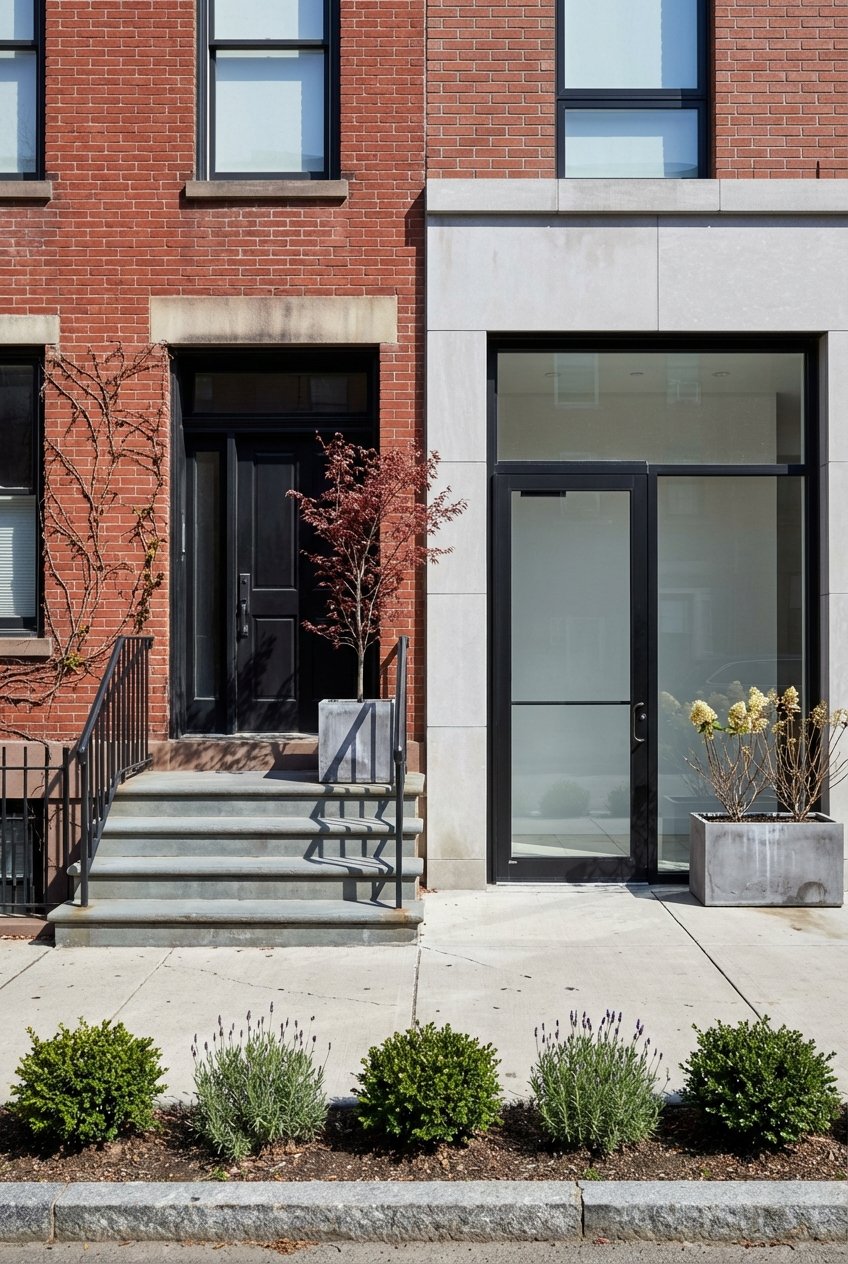
Condo convenience or rowhouse space — which one actually fits your Northwest DC lifestyle and budget? If you are weighing elevator living near 14th Street against a classic brick rowhouse farther up Connecticut Avenue, you are not alone. The choice comes down to what you own, how you live, and what you pay each month. In this guide, you will learn the key tradeoffs for NW DC, from HOA fees and DC taxes to privacy, financing, and resale so you can choose with confidence. Let’s dive in.
NW DC market context
Prices in Northwest Washington sit above the city median for many home types. A recent neighborhood snapshot shows a median sale price of about $822,500 for NW DC. That wide median hides big differences between smaller condos and larger rowhouses. In popular corridors like Logan Circle and the 14th Street/U Street stretch, you will often see smaller condos from the $400,000s to the $800,000s, while attached rowhouses commonly start around the upper $800,000s and climb into seven figures depending on lot size, finish level, and parking.
Other pockets tell a similar story. Dupont Circle offers a strong mix of historic rowhouses and condo buildings, with condos usually providing a lower entry price than nearby townhouses. Farther west, areas like Georgetown, Kalorama, and parts of Chevy Chase tend to command premiums for rowhouses because land is scarce and homes are larger. The bottom line: you are trading a lower entry price and less personal maintenance time with a condo for more space, private outdoor areas, and land ownership with a rowhouse. The exact trade depends on the micro-location.
What you own and maintain
Condos: shared systems, managed upkeep
In a condominium, you own your unit’s interior plus a share of the common elements. A condo association manages the roof, exterior, structure, and shared systems. You pay a monthly fee to fund operations, insurance for common areas, and reserves. Healthy associations plan ahead, maintain strong reserves, and keep clear records. You should review the declaration, bylaws, budget, reserve study, insurance certificate, and recent meeting minutes.
Rowhouses: fee-simple control and responsibility
With a fee-simple rowhouse or townhouse, you own the building and the land under it. You control exterior choices and timing, but you also take on roof, exterior, yard, and systems upkeep directly. Some small communities have a minimal HOA for shared amenities, yet many rowhouses in NW DC have no monthly fee. Think of it as more autonomy paired with more hands-on responsibility and variable costs over time.
How monthly costs stack up
Your monthly budget includes more than a mortgage payment. In DC, property taxes, HOA dues, utilities, insurance, and maintenance can meaningfully shift the condo vs. rowhouse math.
- Property taxes: DC’s residential Class 1 rate is $0.85 per $100 of assessed value. See current rates and transfer details from the DC Office of the Chief Financial Officer for exact brackets and thresholds at closing. Review DC tax rates and rules.
- Condo/HOA fees: The DC metro sees higher dues than much of the country. The 2024 ACS shows a District median of about $505 per month, with a wide local range. Smaller walk-ups can be lower; full-service buildings with parking and front desk staff can exceed $1,000 per month. See the Census HOA/condo fee overview.
- Maintenance reserves: Homeowners should plan for routine upkeep and surprise repairs. Many planners use a conservative rule of thumb of about 1% of a home’s value per year as a starting point. Read a maintenance cost primer.
Here is a quick illustration to frame taxes and HOA only. If the purchase price is near the NW DC median of $822,500, the Class 1 tax at $0.85 per $100 equates to roughly $6,991 per year, or about $583 per month. If a condo’s HOA fee is near the DC median of $505 per month, that adds $6,060 per year. On many lower-priced condo units, the HOA alone can match or exceed the monthly share of property taxes. A fee-simple rowhouse avoids a condo fee but will usually carry higher direct maintenance and utility costs.
Use this line-item checklist to compare any two homes:
- Property tax: confirm the current assessed value and compute at the DC rate.
- HOA/condo dues: list what the fee covers (heat, water, parking, reserves, on-site staff).
- Insurance: condo policies often cover “walls-in” while rowhouse policies cover the structure too.
- Utilities and services: note any building-included utilities to adjust your estimate.
- Maintenance: include a conservative annual reserve in your monthly planning.
Financing differences to watch
Condo financing can be more complex than rowhouse financing because lenders review the building itself. After high-profile building safety concerns, agencies tightened project standards. If a condo association has substantial deferred maintenance, special assessments, or weak reserves, buyers may face fewer conventional loan options or higher costs. Always ask your lender to confirm whether the project is “warrantable” under current agency rules. Check Fannie Mae’s condo project eligibility guidance.
Special assessments are another factor. Associations sometimes levy one-time charges to address major repairs or capital projects. These can be thousands of dollars per unit and may affect both your cash flow and loan options if they signal deeper structural or reserve issues. Lenders track these risks closely. For background on recent agency requirements that influence condos, see this industry summary of post-2021 updates. Read an overview of temporary condo eligibility updates.
Local rules and DC closing costs
Tenant rights can affect timelines. In Washington, DC’s Tenant Opportunity to Purchase Act (TOPA) gives tenants in many multi-unit properties the first opportunity to buy when a landlord sells. If you are pursuing a condo conversion or buying in a building with rental units, confirm whether TOPA applies and how it could affect timing. Learn about TOPA from DC DHCD.
Plan for DC transfer and recordation taxes at closing, which vary by price tier. DC has also enacted higher surtaxes at very high price levels. You can see current property tax rates and transfer details on the OCFO site and find policy context on recent changes here. Review DC tax rates and rules and see a policy summary of tax changes.
Lifestyle tradeoffs that matter
Privacy and noise
Rowhouses share party walls but often give you more separation from neighbors than a unit in a large building. You control more of the mechanical systems and have fewer shared corridors or elevators. Condos can trade some privacy for security features and on-site amenities.
Outdoor space
Rowhouses often include a rear yard, patio, or roof deck, which is a major value driver in coveted NW pockets. Many condos offer balconies, shared courtyards, or rooftop decks. If private outdoor space is important to your daily routine, a rowhouse can be a strong fit.
Parking and storage
Parking is scarce and valuable across NW DC. Some rowhouses have garages or alley parking. Condos sometimes include deeded spaces or offer parking for a separate fee. Always verify whether parking is included, deeded, or assigned, and note any guest or rental restrictions.
Resale and long-term outlook
Condos deliver more entry-level options in walkable corridors, which can help liquidity. That said, financing rules, project health, and litigation can reduce the buyer pool for certain buildings. Fee-simple rowhouses often attract a wider set of buyers who want more space and land, though higher prices narrow the audience. Over time, rowhouses tend to capture more land value, while condo values are tied closely to building condition and association governance. For condos especially, agency eligibility and strong reserves support both financing and resale. See Fannie Mae’s condo project standards.
Due diligence checklist
For condos
- Request the declaration, bylaws, budget, reserve study, insurance certificate, and 12 months of meeting minutes.
- Ask about any current or pending special assessments and the reason for them.
- Confirm rental caps, pet rules, storage, and parking terms. Verify what utilities the fee covers.
- Have your lender check warrantability early and flag any project-level issues.
For rowhouses
- Inspect the roof, foundation, exterior envelope, and mechanical systems.
- Verify property lines, easements, and alley access. Confirm zoning for any planned expansions.
- If in a historic area, confirm exterior guidelines before planning changes.
For both
- Build a monthly cost model: DC property tax at the current Class 1 rate, insurance, utilities, HOA (if any), plus a conservative maintenance reserve. Use DC’s tax reference page to confirm the latest rates.
Which one is right for you?
Choose a condo if you want lower personal maintenance, prefer on-site amenities, and value a lower initial price point in a walkable corridor. The tradeoff is an added monthly fee and project-level rules to watch.
Choose a rowhouse if you want more space, control, and private outdoor areas. Expect more hands-on maintenance and larger one-time expenses over time, but no mandatory condo fee.
If you are torn, compare two real homes side by side and focus on monthly carrying costs, outdoor space, parking, and storage. That side-by-side view makes the right choice clear for most buyers.
Ready to weigh your options with a simple, side-by-side cost model and a local referral plan for lenders, inspectors, and title in DC? Reach out to Keneathia Glenn to get personalized guidance and an introduction to trusted DC-area partners through a national network.
FAQs
What do DC condo fees usually cover?
- Many DC condo associations include common-area insurance, maintenance, reserves, and some utilities. Higher-fee buildings may add parking, on-site staff, and more amenities.
How do DC property taxes affect my budget in NW DC?
- DC’s Class 1 residential tax is $0.85 per $100 of assessed value, which equals about $583 per month on an $822,500 assessment; always verify the current assessment and rate.
What does a “warrantable” condo mean for my loan?
- A warrantable condo meets agency standards for project health and documentation, which supports conventional financing; non-warrantable projects can limit loan options and raise costs.
How can TOPA change my purchase timeline in NW DC?
- If you are buying a unit in a multi-unit building where tenants have rights, TOPA can add steps and time because tenants may have the opportunity to purchase before a third-party buyer.
Do condos or rowhouses resell faster in NW DC?
- Condos can be more liquid at lower price points, while fee-simple rowhouses appeal to buyers seeking more space; building health and financing rules heavily influence condo resale.
How can I compare a condo and a rowhouse fairly?
- Create a line-item monthly model with taxes, insurance, HOA dues, utilities, and a maintenance reserve, then weigh outdoor space, parking, storage, and building rules side by side.